Türkiye’de bahis severler için en çok tercih edilen bettilt giriş adreslerden biri olmaya devam ediyor.
Curacao lisanslı platformlar arasında güvenilirlik açısından üst sıralarda bahsegel giriş yer alan, uluslararası denetimlerden başarıyla geçmiştir.
Kazançlı bahis deneyimi arayan herkes için bettilt doğru seçimdir.
Rulet masalarında en çok tercih edilen bahis türleri arasında kırmızı/siyah ve tek/çift seçenekleri yer alır; pinco giriş bu türleri destekler.
Basketbol tutkunları için en iyi kupon fırsatları bettilt sayfasında yer alıyor.
Managing large, high-risk populations across systems and care settings is nearly impossible without digital support
Managing population health sounds straightforward—until you’re trying to coordinate care for thousands of patients, each with different needs, risks, and barriers to access. In value-based care, success depends on more than just clinical excellence. It requires scalable strategies, constant visibility, and the ability to act fast when someone’s health starts slipping through the cracks.
But most health systems still rely on fragmented tools and manual workflows to manage massive patient populations. The result? Missed care gaps, overwhelmed staff, and preventable complications that drive up costs and undermine outcomes.
If that sounds familiar, you’re not alone.
To truly manage population health—especially under the pressures of value-based contracts—you need the right digital infrastructure. Not just to collect data, but to make it usable. Not just to manage care, but to coordinate it across teams, systems, and lives. That’s what this post is about: giving your team the tools to succeed.
You Can’t Manage What You Can’t See
Population health management is no longer a buzzword—it’s the beating heart of value-based care. But let’s be honest: managing thousands of lives across multiple risk levels, conditions, and social contexts can feel like juggling while blindfolded. It’s not just overwhelming—it’s dangerous.
That’s why healthcare organizations are increasingly turning to digital tools that simplify, streamline, and scale the work. The right technology doesn’t just track data—it translates it into action, guiding care teams in real time. When you use the right tools together, you’re not just managing population health—you’re actually improving it.
Let’s break down five essential digital tools that can change the game.
1. Predictive Analytics and Risk Stratification
The first step to managing a population is knowing who needs attention—and when.
Predictive analytics tools help care teams identify high-risk or rising-risk patients before something goes wrong. Instead of waiting for someone to show up in the emergency room, you can see the warning signs and step in early.
Here’s what these tools should offer:
- AI-driven risk scoring based on EHR, claims, and real-time inputs
- Inclusion of social determinants of health (SDOH) like food insecurity or housing instability
- Dynamic updates based on lab values, symptoms, and engagement trends
- Transparent logic so clinicians understand what’s driving the risk flags
The Population Health Model (POHEM) is a great example of how simulation and modeling can predict outcomes across time. While POHEM is a macro-level forecasting tool, the same principles apply at the individual level—when you understand risk, you can direct your resources more strategically.
Calcium’s AI Studio does just that—turning raw data into a personalized plan of action for every patient.
2. Real-Time Care Gap Identification
Population health success lives and dies by one question: Are we closing the right care gaps, at the right time?
Digital tools that track care gaps in real time help your team avoid preventable complications and stay compliant with value-based contract requirements. These systems don’t just tell you who missed a flu shot last year—they flag gaps as they happen.
Look for features like:
- Custom rules for different VBC programs (e.g., HEDIS, ACO, Medicare Advantage)
- Integration with lab feeds, pharmacy, and appointment data
- Patient-specific alerts for overdue screenings, labs, or chronic care visits
- Role-based task routing so the right team member follows up
A smart system acts like a digital backstop—it won’t let things fall through unnoticed.
This reflects the ideas in Population Surveys as Management Tools, where real-time feedback loops improve public health interventions. In clinical settings, these loops power smarter care delivery at the individual level.
3. Patient Engagement Platforms
Data can guide a care plan—but without patient participation, even the best-designed strategy can fall flat.
That’s why patient engagement tools are essential. These platforms empower patients to take ownership of their health while keeping the care team informed and aligned. The goal isn’t just better compliance—it’s building a true care partnership.
Key features include:
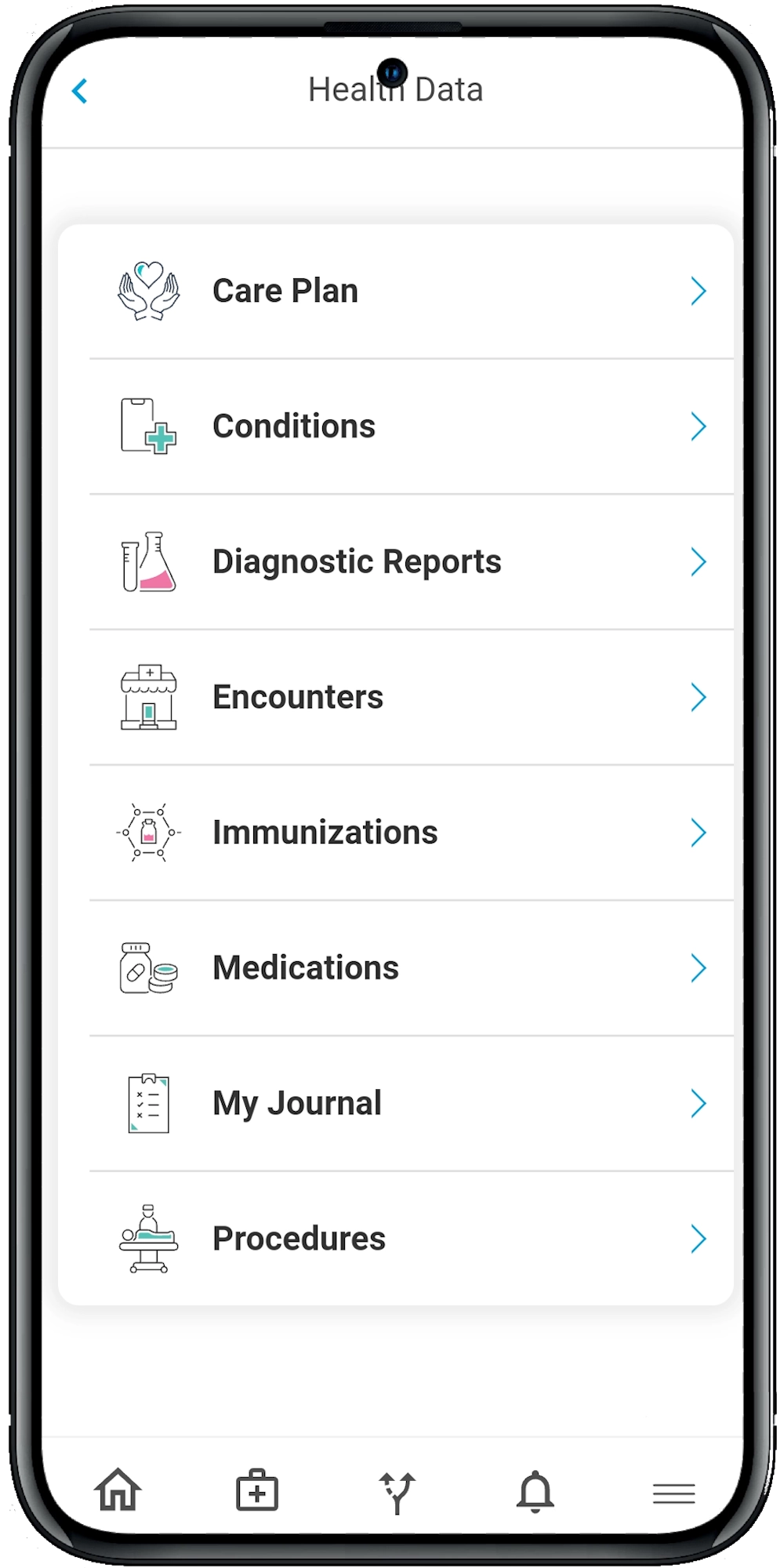
- Mobile-friendly access to care plans, reminders, and symptom tracking
- Behavioral health and wellness check-ins
- Daily nudges, medication prompts, and lifestyle coaching
- Journaling, education modules, and real-time feedback
What matters most is accessibility. If your engagement platform doesn’t work for people with low digital literacy, limited English proficiency, or chronic fatigue, it’s not doing its job.
As highlighted in the review of reviews on patient involvement, patients don’t just want to be part of their care—they expect to be. The best platforms make that easy, intuitive, and meaningful.
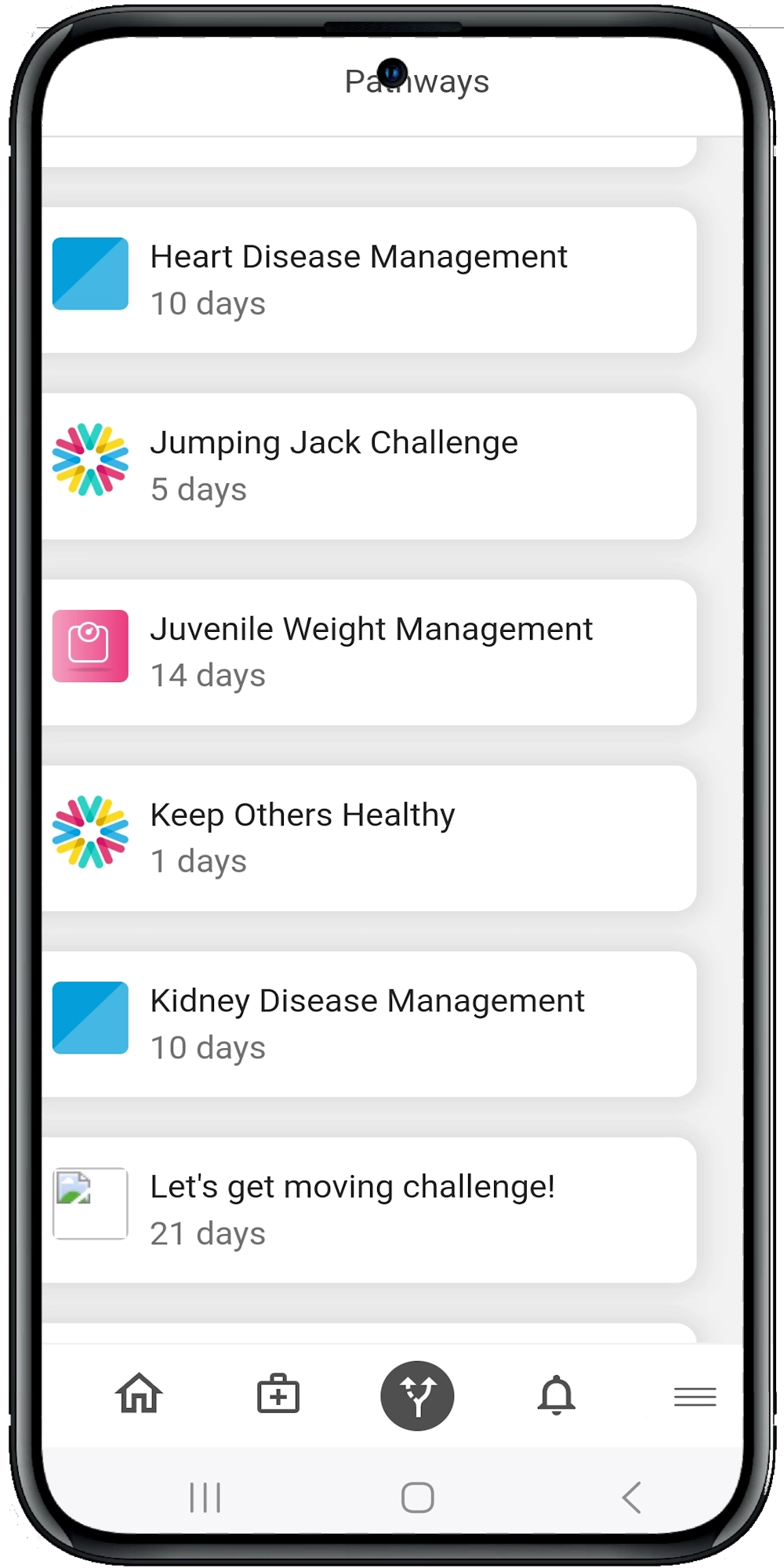
Calcium’s Super App offers just that: an always-on health companion tailored to each user’s needs.
4. Cross-Team Coordination and Task Management
Even the best plans fall apart when no one knows who’s doing what. In population health, where care is delivered by a village of providers, case managers, pharmacists, and social workers, coordination is everything.
A strong coordination platform gives every team member clear visibility into tasks, status, and next steps. Look for systems that offer:
- Role-based dashboards showing personalized task lists
- Secure, structured communication between roles and departments
- Escalation alerts when tasks are delayed or urgent
- Documentation tools that reduce note fatigue and improve transparency
These tools reduce duplication, eliminate miscommunication, and help care teams move in sync. That means less chaos—and better patient experiences.
This echoes the insights in A Tool to Evaluate Primary Care from the Population Perspective, which underscores the importance of coordination, accessibility, and continuity—values that should be embedded into the tech we use to deliver care.
5. Outcomes Reporting and Population Dashboards
If you can’t measure it, you can’t manage it—and you definitely can’t improve it.
Population health platforms must give administrators and clinical leaders the ability to track trends, identify bottlenecks, and measure contract performance in real time.
Effective dashboards should include:
- Live tracking of quality metrics and care gap closure
- Breakdowns by risk group, payer, region, or provider
- Engagement scores and behavioral health indicators
- Exportable reports for contract compliance and board reporting
These insights aren’t just helpful—they’re required. Without them, you’re flying blind.
The right analytics layer turns your organization into a learning system—where you’re constantly adapting based on what’s working and what’s not.
Calcium’s Core dashboard offers this clarity, helping leaders see where their team shines—and where support is needed.
Why Integration Matters More Than Innovation
Any one of these tools can be helpful. But the real magic happens when they work together, in one seamless system.
Think of it like an orchestra. You don’t want five brilliant soloists playing five different songs—you want harmony. That’s what integrated platforms offer: shared data, shared visibility, and shared responsibility for better outcomes.
Too many organizations still rely on cobbled-together tools that force their staff to toggle between tabs, copy/paste notes, or track care gaps manually. That’s not just inefficient—it’s unsustainable.
A platform like Calcium brings everything into one place: analytics, engagement, tasking, and reporting—aligned around the people who deliver and receive care.
Managing population health doesn’t have to feel overwhelming. With the right digital tools, your team can shift from chasing problems to proactively guiding patients toward better outcomes. From identifying risk early to engaging patients daily, each tool plays a role in transforming how care is delivered—and how success is measured.
But the real value lies in bringing these tools together. When care teams, patients, and data work in harmony, population health becomes not just manageable, but scalable, sustainable, and smarter.
That’s where Calcium’s digital health platform shines. Whether you’re managing complex chronic care, driving preventive health campaigns, or aligning with value-based contracts, Calcium delivers everything your team needs in one seamless experience.
Reference
- Andrade, F. R. de, & Narvai, P. C. (2013). Inquéritos populacionais como instrumentos de gestão e os modelos de atenção à saúde. Revista de Saúde Pública, 47(suppl 3), 154–160. https://doi.org/10.1590/s0034-8910.2013047004447
- Hennessy, D. A., Flanagan, W. M., Tanuseputro, P., Bennett, C., Tuna, M., Kopec, J., Wolfson, M. C., & Manuel, D. G. (2015). The Population Health Model (POHEM): an overview of rationale, methods and applications. Population Health Metrics, 13(1). https://doi.org/10.1186/s12963-015-0057-x
- Vinnicombe, S., Bianchim, M. S., & Noyes, J. (2023). A review of reviews exploring patient and public involvement in population health research and development of tools containing best practice guidance. BMC Public Health, 23(1), 1271. https://doi.org/10.1186/s12889-023-15937-9
- Pasarín, M., Berra, S., Rajmil, L., Solans, M., Borrell, C., & Starfield, B. (n.d.). A Tool to Evaluate Primary Health Care From the Population Perspective. https://publichealth.jhu.edu/sites/default/files/2023-04/pasarin-2007.pdf